


CapFish

landing_page_final

ISSUE 10 | JULY 2025

HIGHLIGHTS

Slide
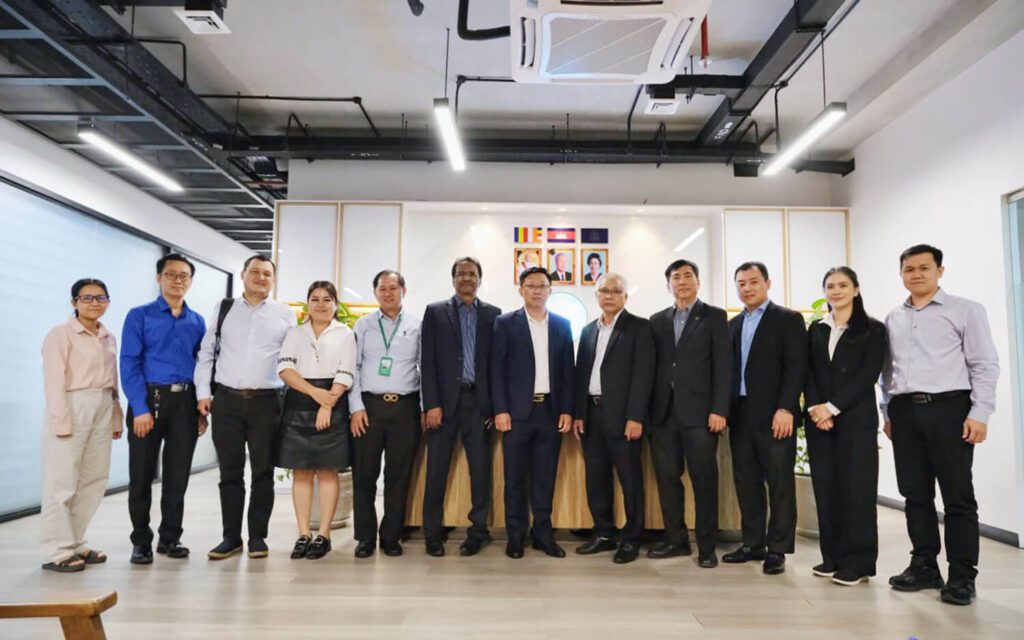
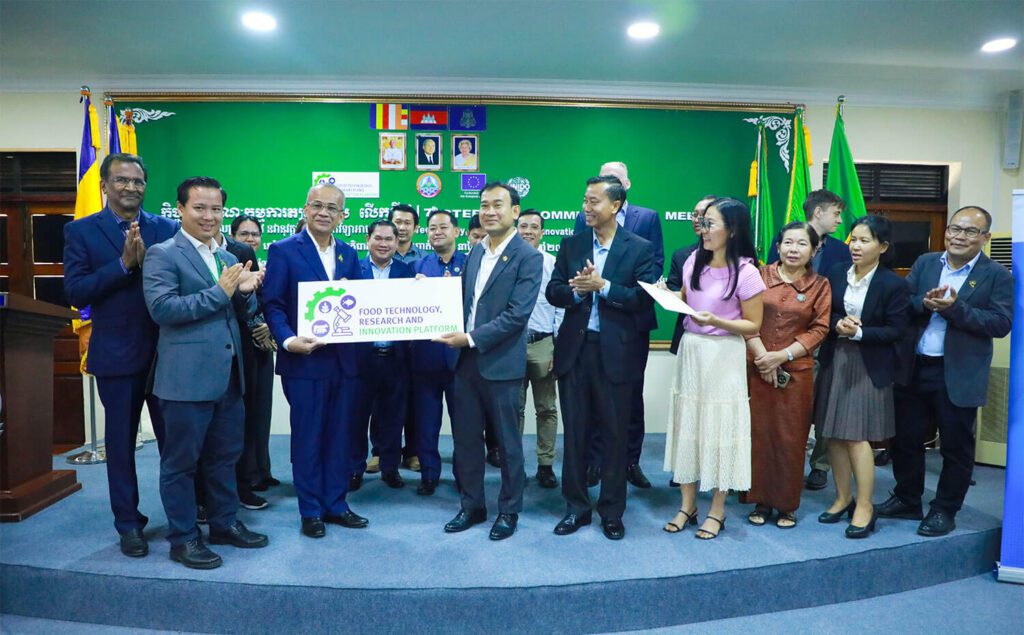
NUBB Takes Leadership of FTRIP

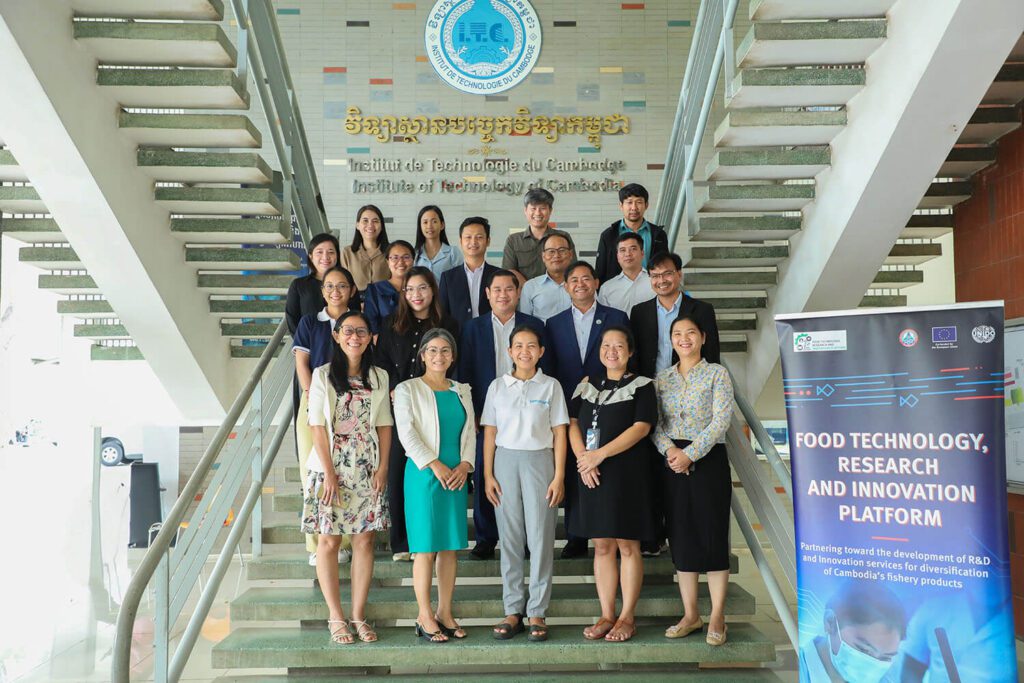
NUBB now leads FTRIP, boosting research, innovation, and Cambodia's sustainable food industry in post-harvest fisheries and beyond.

Slide
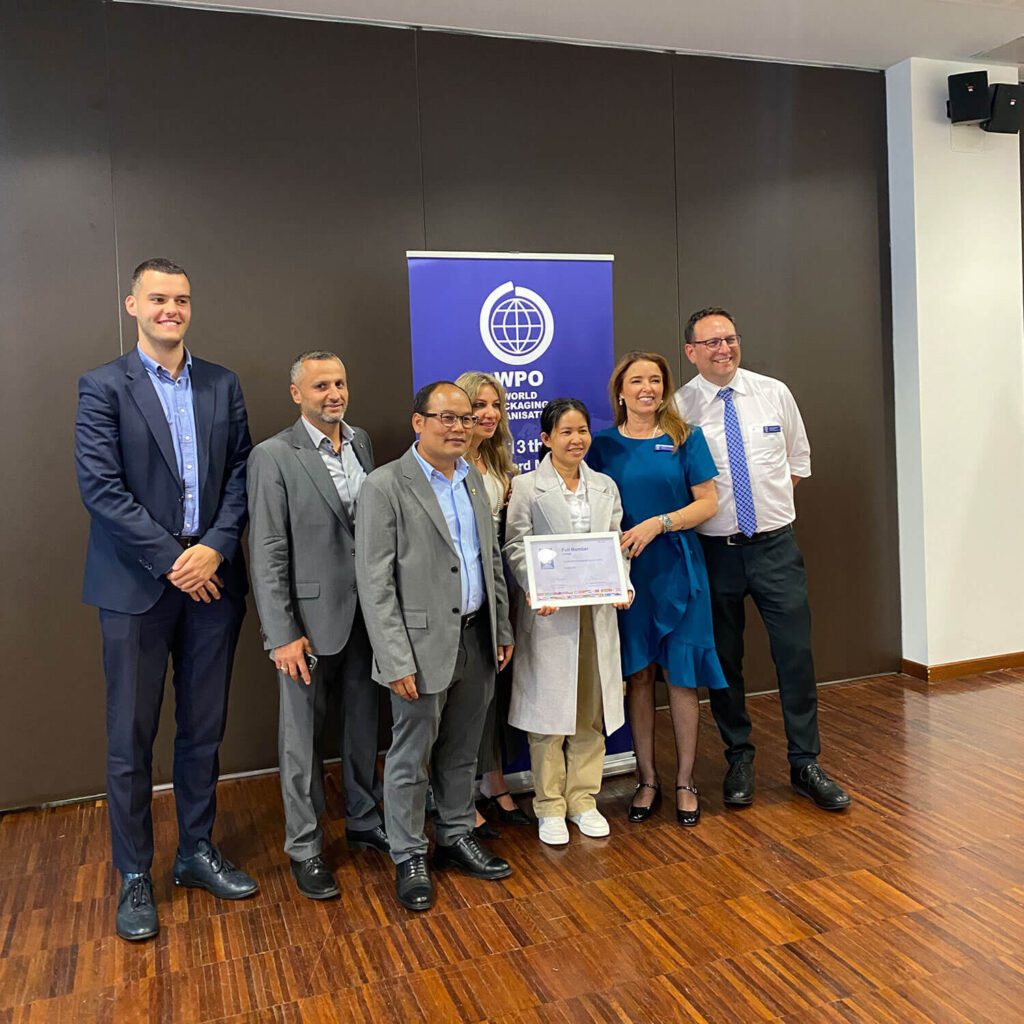
CPC Takes a Step Forward in Packaging Excellence with WPO's Membership

The Cambodia Packaging Center (CPC) is now a voting member of the World Packaging Organization (WPO), marking a key step in improving Cambodia's food safety, competitiveness, and sustainability.

Slide
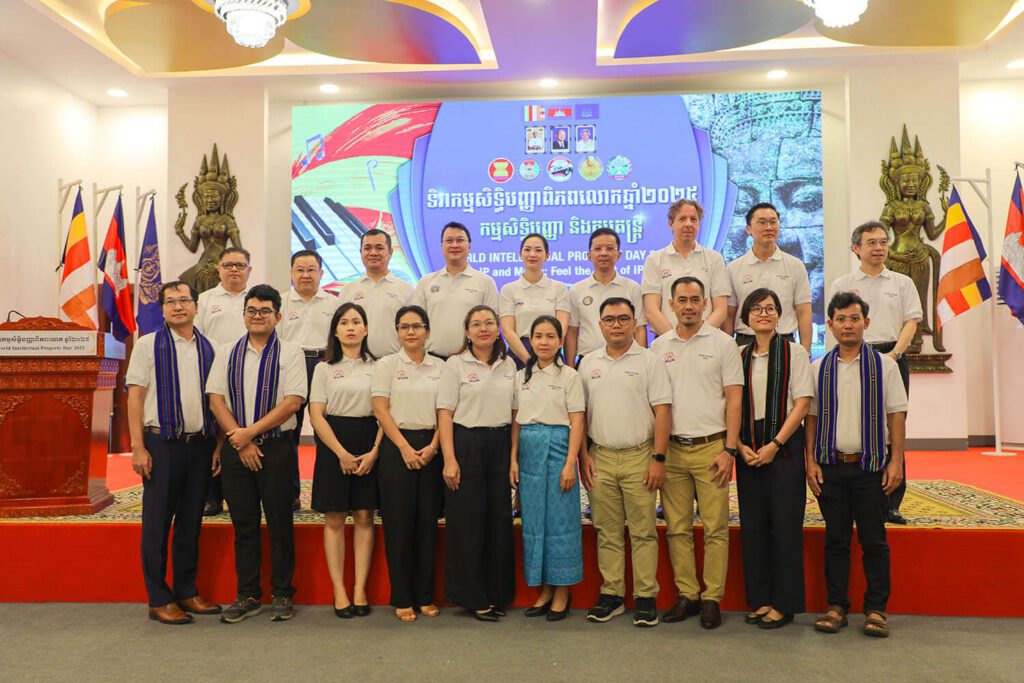
Siem Reap Prahok Earned Geographical Indication (GI) Status: A Tradition-driven Economic Empowerment

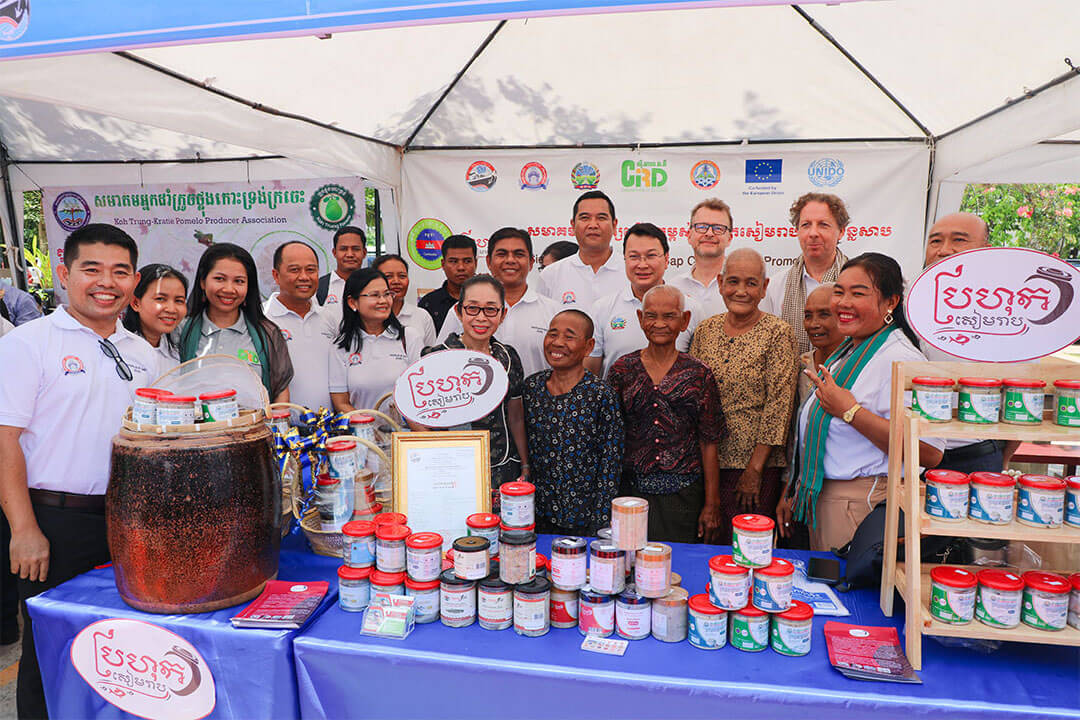
On World Intellectual Property Day 2025, Cambodia launched Siem Reap Prahok as a new GI product, supporting local communities and the economy through collaboration between UNIDO, FiA, and the Ministry of Commerce.

Slide
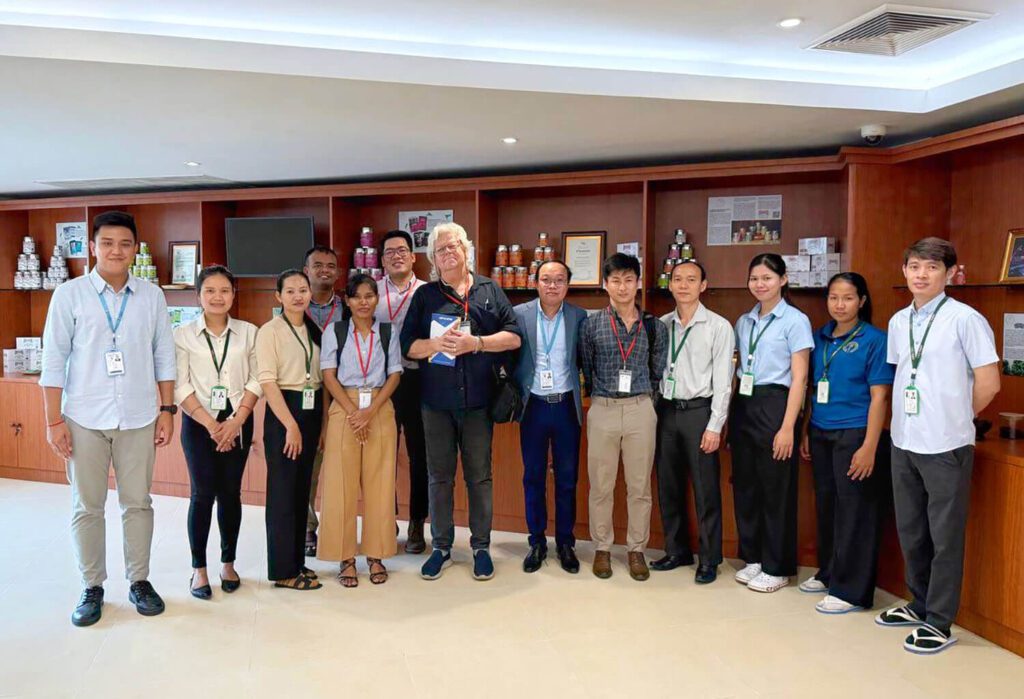
CAPFish Programme Evaluators Visited Project Beneficiaries

CAPFish evaluators from the EU visited two fishery MSMEs, praising support and positive impacts on Cambodia’s fish value chain.

Slide
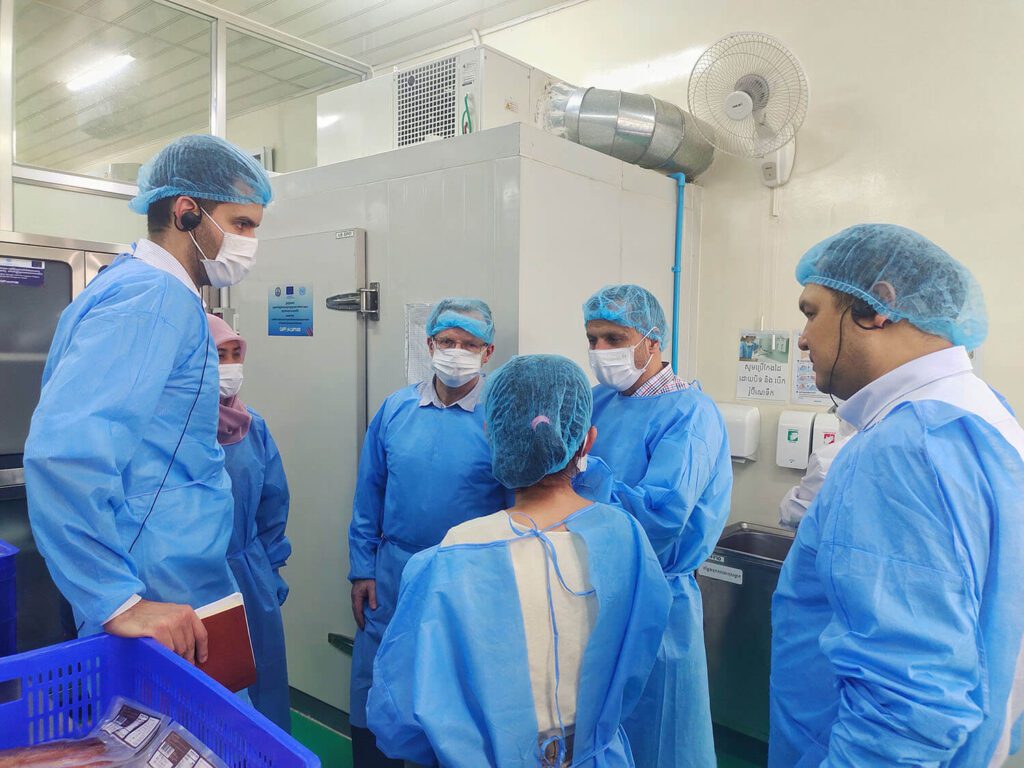
Mock Assessment of Fishery Official Control Systems for DG-SANTE Audit Readiness

A mock audit assessed fishery official control systems for DG-SANTE readiness, highlighting areas for improvement and future compliance.

Slide
Evaluation of the Value Addition along the Fishery Value Chain in Cambodia

Most value addition in fish value chains occurs at processing and retail; production needs better infrastructure for balanced growth.

Slide
Technical Assistance to MAFF National Agricultural Laboratory at Setbou (NALS)

UNIDO’s first phase support to NALS, via CAPFISH-Capture, included assessments, market analysis, feasibility study, ESIA, and roadmap.

previous arrow
next arrow

NOTICE BOARD

Cambodian Women Rising to Tap the Global Fishery Product Market

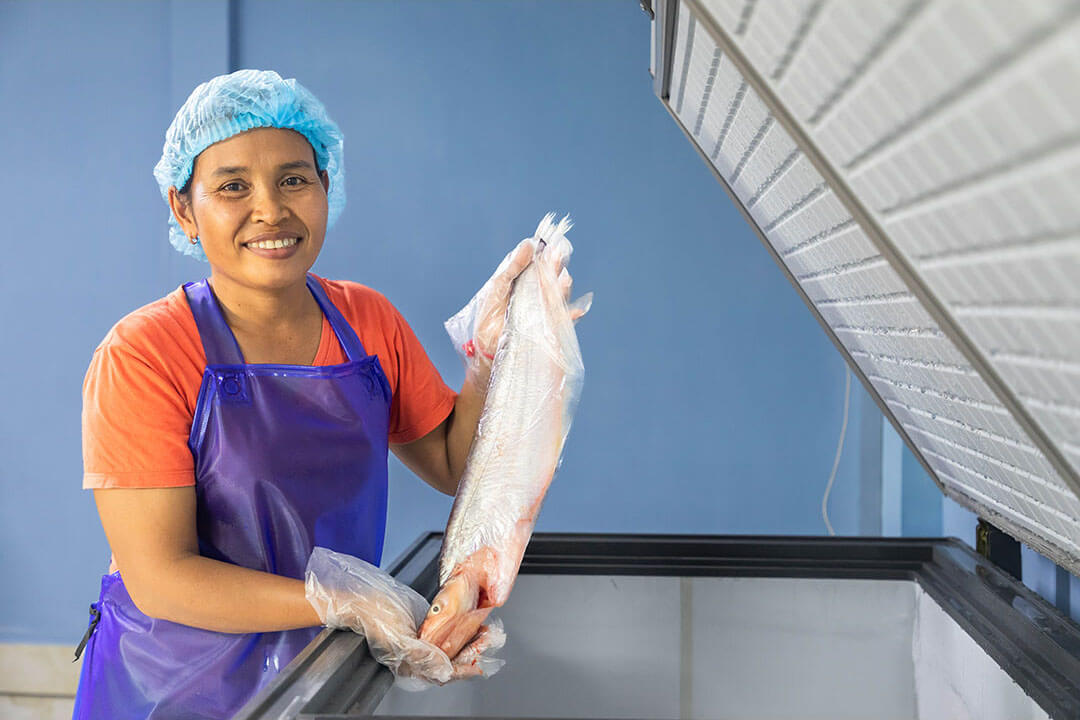
The Bernama: CAPFISH-Capture is helping Cambodian women upgrade their fish processing skills to international standards, supporting over 51 fisheries, including 35 women-led enterprises.

Introduction to Siem Reap Prahok and Its Listing as Cambodia's Geographical Indication (GI) Product

Cambodian Siem Reap Prahok is deeply rooted in the history of the Angkor Empire, where local ingredients and flavors were cherished. With its GI status, Siem Reap Prahok will strengthen the livelihoods of local producers while enhancing Cambodia’s visibility in the global market, allowing the world to appreciate its rich culinary heritage.

Transforming Cambodia's Post-harvest Fisheries Through CAPFISH-Capture

The Global Action Network: Women in Cambodia’s fisheries gained support to export, create jobs, and grow their businesses, boosting their community and Cambodia’s global image.

WHAT'S NEW?

Seven Research Projects Awarded Funding Support for Commercialization

24 April 2025 – FTRIP, with support from the CAPFISH-Capture: Post-harvest Fisheries Development project, is facilitating the commercialization of promising new and improved products and technologies from these 23 research projects. Following consultations, an Expression of Interest (EoI) was issued to the research project teams, leading to 17 submissions. After external evaluation, 10 projects were shortlisted, and 7 projects have been finally awarded further funding support for commercialization.

Two Investment Committee (IC) Meetings Conducted to Review and Endorse the Business Plans of VCIS-Investment Support Facility (ISF) Enterprises

21 April to 04 July 2025 – Investment committee (IC), which was chaired by the Fisheries Administration (FiA) and comprised of representatives from the Ministry of Economy and Finance (MEF), Cambodia Food Manufacture Association (CFMA) Federation of Associations for SMEs of Cambodia (FASMEC), and the CAPFISH-Capture: Post-harvest Fisheries Development Project, alongside observers from the EU Delegation to Cambodia, and ISF participating financial institutions, review business plans submitted by ISF enterprises. Accordingly, two IC meetings were organized on 21 April and 04 July 2025. After examining the evaluation presentation from the Credit Guarantee Corporation of Cambodia (CGCC) and engaging in detailed discussions and assessments based on specific evaluation criteria, the IC approved 13 enterprises for the VCIS-ISF award. So far, out of 13 enterprises, 6 enterprises have secured VCIS-ISF awards by obtaining guaranteed loans. The ISF grant allocated for these 6 enterprises totaled USD 159,488, leveraging USD 199,360 in guaranteed loans and USD 136,013 in contributions from the enterprises.

Participation in the 2025 Global Seafood Marketplace in Spain

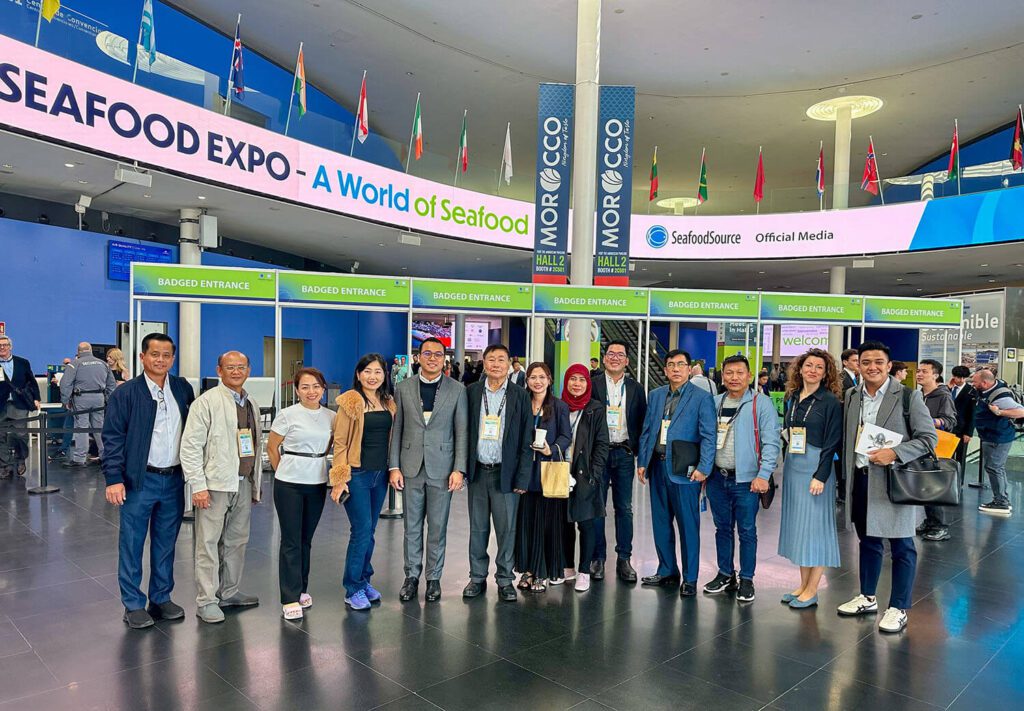
06-08 May 2025 – Senior officials from the Ministry of Agriculture, Forestry, and Fisheries (MAFF) and representatives from processing enterprises attended the Seafood Expo Global with support from the EU-funded CAPFISH-Capture project.

The project organized an official visit to the Seafood Expo Global to expose the management team from MAFF, the Fisheries Competent Authority (FCA), and potential fish processing enterprises to the latest developments in the fisheries industry, export requirements, and networking opportunities with potential buyers of Cambodian fish and fishery products. Participants had the chance to learn about recent advances in the field and explore new market opportunities. The 2025 edition of the conference was held from May 6 to 8 at Fira Barcelona Gran Via in Spain.

Seafood Expo Global is the world’s largest seafood trade show, bringing together buyers and suppliers from around the globe. At the event, there were 2,187 seafood and seafood processing companies from 87 countries, alongside 69 national and regional pavilions showcasing the industry’s latest products, processing and packaging equipment, innovations, and services.

MAFF and FiA Met DG SANTE in Brussels to Discuss Cambodia's Readiness for Audit

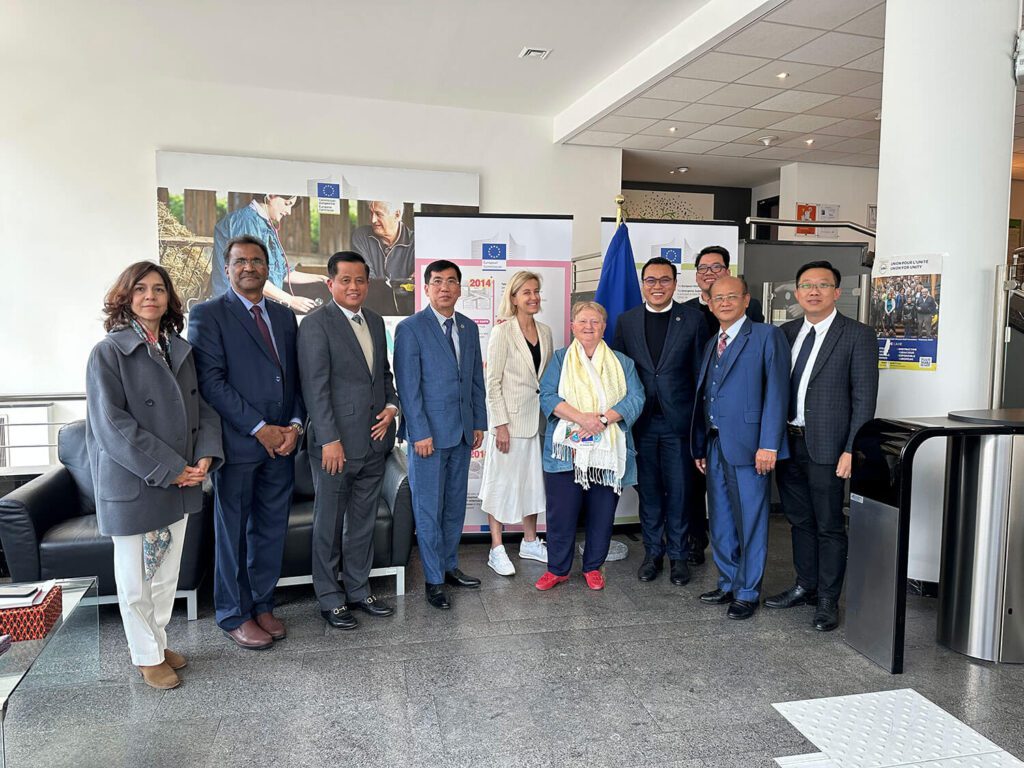
07 May 2025 – The Cambodian delegates, led by H.E. PRAK David, Secretary of State of the Ministry of Agriculture, Forestry and Fisheries (MAFF), met with the DG-SANTE team in Brussels to provide updates on two key projects: CAPFish-aquaculture and CAPFISH-capture. They also requested an audit slot for late 2025, which would allow Cambodia to be able to export low-risk fishery products to EU markets. Ms. Caroline BOESHERTZ, Head of Unit A.5 of DG SANTE Bilateral International Relations, appreciated the developments achieved through the CAPFISH-Capture: Post-harvest Fisheries Development project. DG-SANTE agreed to explore the possibility of conducting a hygiene-public health audit specifically for capture fisheries products. The meeting was fruitful, with both Cambodia and DG SANTE committing to collaborate for the audit and the potential listing of Cambodia.

The Fisheries Administration (FiA), as part of the CAPFISH-Capture: Post-harvest Fisheries Development project, has made significant progress and established the Fisheries Competent Authority (FCA). This initiative has supported the FCA in developing food control systems for fisheries and has helped fishery business operators (FBOs) implement these systems to ensure compliance with food safety standards and regulations. DG-SANTE and the FCA held three technical dialogues between 2022 and 2023. In June 2024, the FiA officially requested DG-SANTE to conduct an audit of low-risk fishery products sourced from Cambodian wild freshwater capture fisheries.

Collaboration of FTRIP with International Institutions

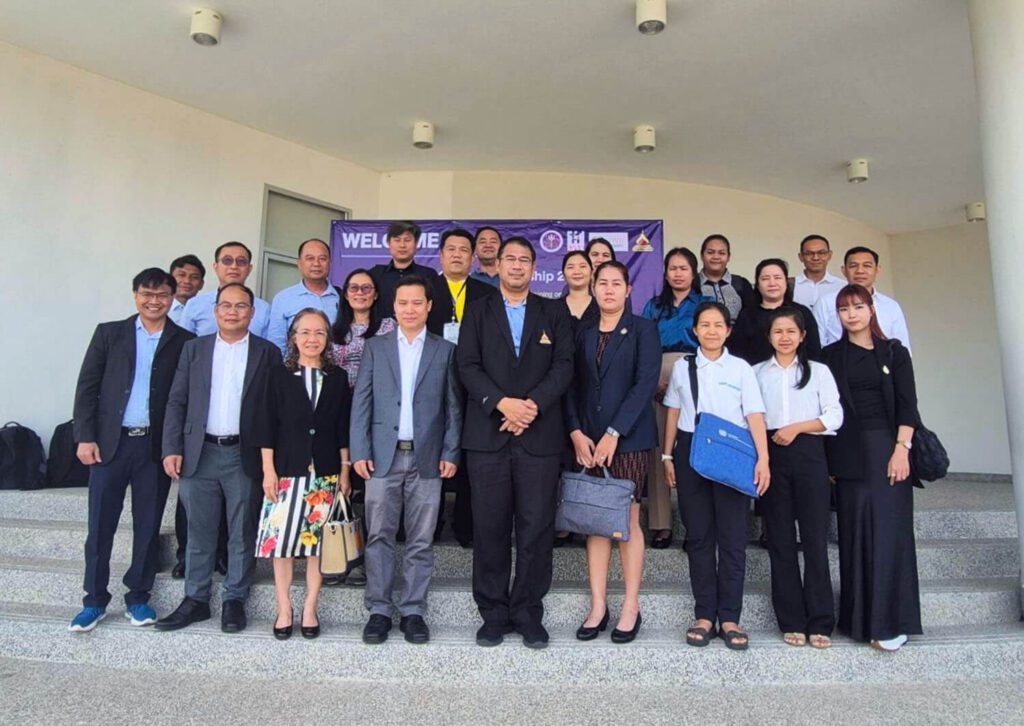
08-09 May 2025 – The Food Processing Capacity Building Training and Factory Site Visit at Ubon Ratchathani University, Thailand, was organized from 8-9 May 2025 by FTRIP with support from the UNIDO CAPFISH project, in collaboration with Ubon Ratchathani University, for 19 participants (10 women). The initiative aimed to enhance the capacity of FTRIP members in food processing and product development to better support Cambodian entrepreneurs and development agencies.

Cambodian Enterprises Join PROPAK ASIA to Boost Innovation and Market Linkages

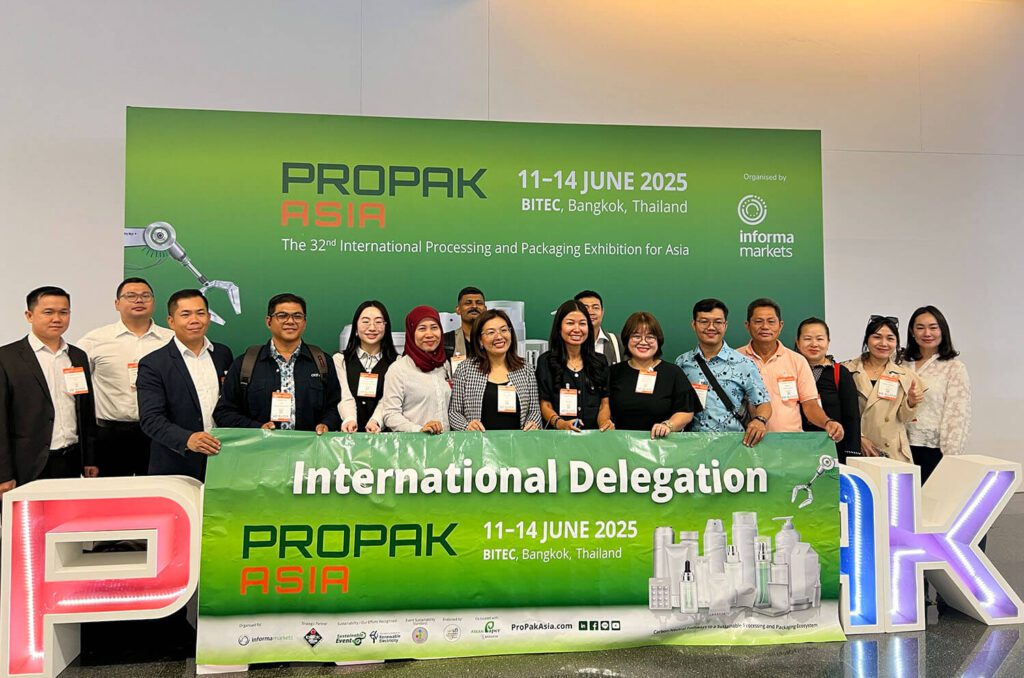
11-13 May 2025 – Nine VCIS enterprises successfully participated in PROPAK ASIA and the Buyer’s Program in Thailand, strengthening industry linkages and expanding their business networks in the food processing and packaging sector. The event provided delegates with exposure to cutting-edge technologies and sustainable solutions aimed at improving food processing and packaging systems—key to scaling up Cambodia’s post-harvest fishery businesses. Participants also gained valuable insights into global trends in packaging design, regulatory developments, and advanced machinery shaping the future of the industry.

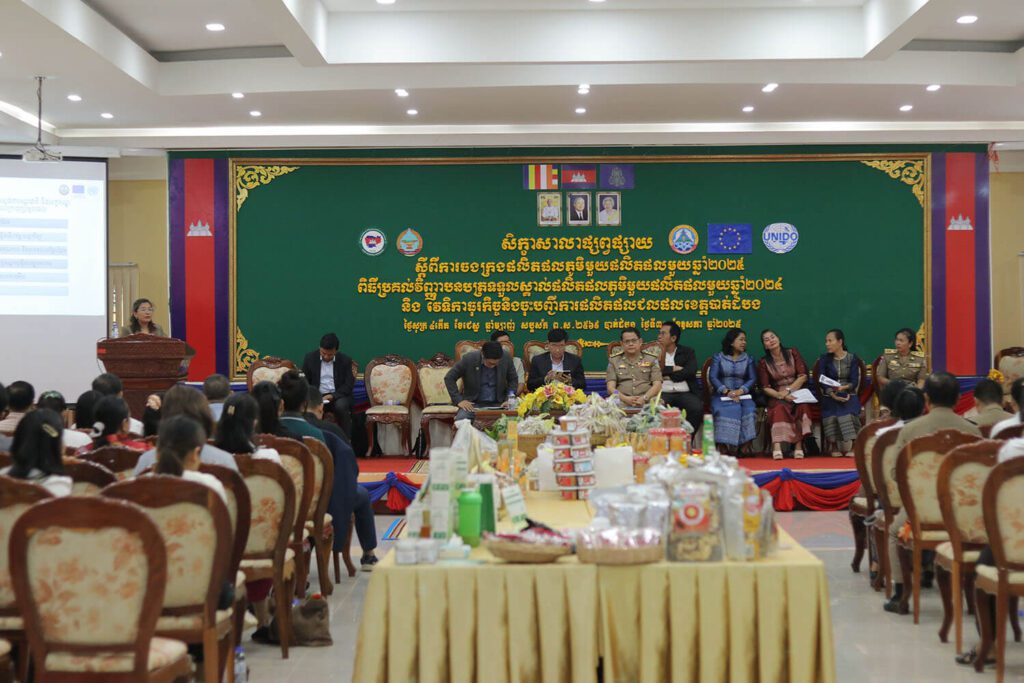
Dissemination Workshops on OVOP Registration and Investment Support Facility

30 May & 16-17 June 2025 – Three dissemination workshops on the “Registration Process of One Village One Product (OVOP) Members for 2025 and Progress of the CAPFISH-Capture: Post-harvest Fisheries Development Project and Investment Support Facility (ISF) Scheme for Post-Harvest Fishery Enterprises” were co-organized by the National Committee of OVOP, the CAPFISH Project, and the Cambodian Credit Guarantee Corporation (CGCC). Held on 30 May 2025 and 16-17 June 2025 at the Provincial Meeting Hall in Battambang, Kratie and Kampong Cham provinces, the workshops brought together approximately 100 participants, including 30 post-harvest fishery enterprises from Battambang, Kandal, Kampong Cham, Kratie and Stung Treng provinces. Attendees were introduced to the OVOP registration process and the ISF program. Representatives from the project and CGCC experts delivered presentations on the progress of post-harvest fisheries initiatives, provided details about the ISF scheme, and explained the application procedures and eligibility criteria. The workshops were part of the joint effort by the CAPFISH Project and CGCC to promote.

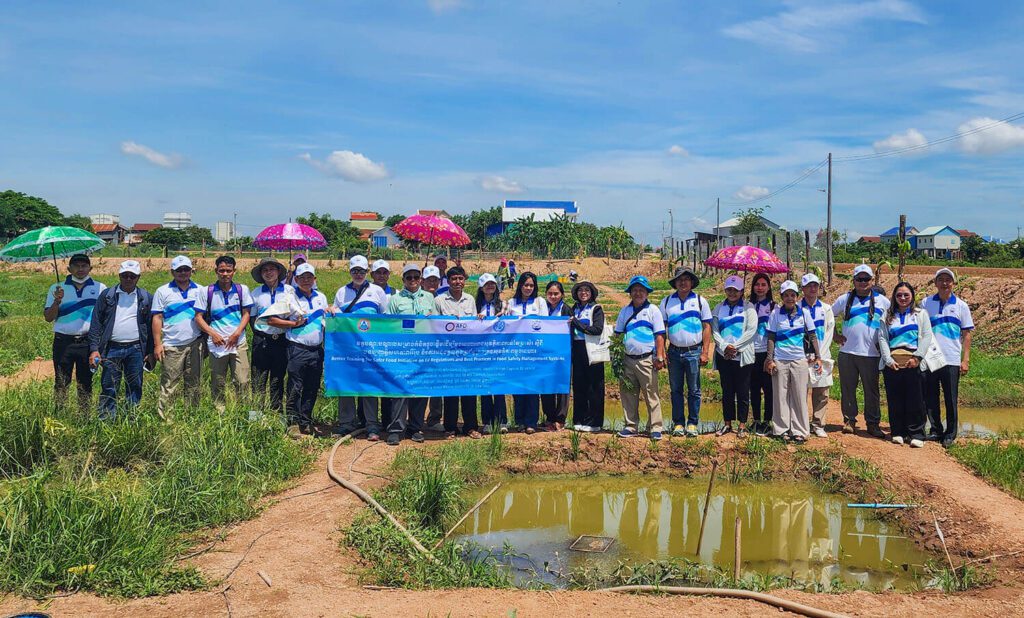
‘Better Training for Safer Food’ Workshop on EU Regulations and Best Practices in Food Safety Management Systems

10-20 June 2025 – Cambodian Fisheries Competent Authorities, private and public laboratories, and food business operators interested in exporting fishery products to the EU participated in the workshop. This workshop was co-organized by the Fisheries Administration (FiA) and the CAPFISH-Capture and CAPFISH-Aquaculture projects under the EU-funded CAPFish program.

The training was delivered by AENOR consortium experts from Spain, who have been delegated by the General Directorate for Health and Food Safety (DG-SANTE). The primary goal of this workshop is to familiarize competent authorities with current EU requirements, the components needed for a suitable safety management system to be implemented by Food Business Operators (FBOs), and the official control/operator oversight required to ensure product meets EU requirements. The aim is to establish reliable attestation, which allows access to the EU market.

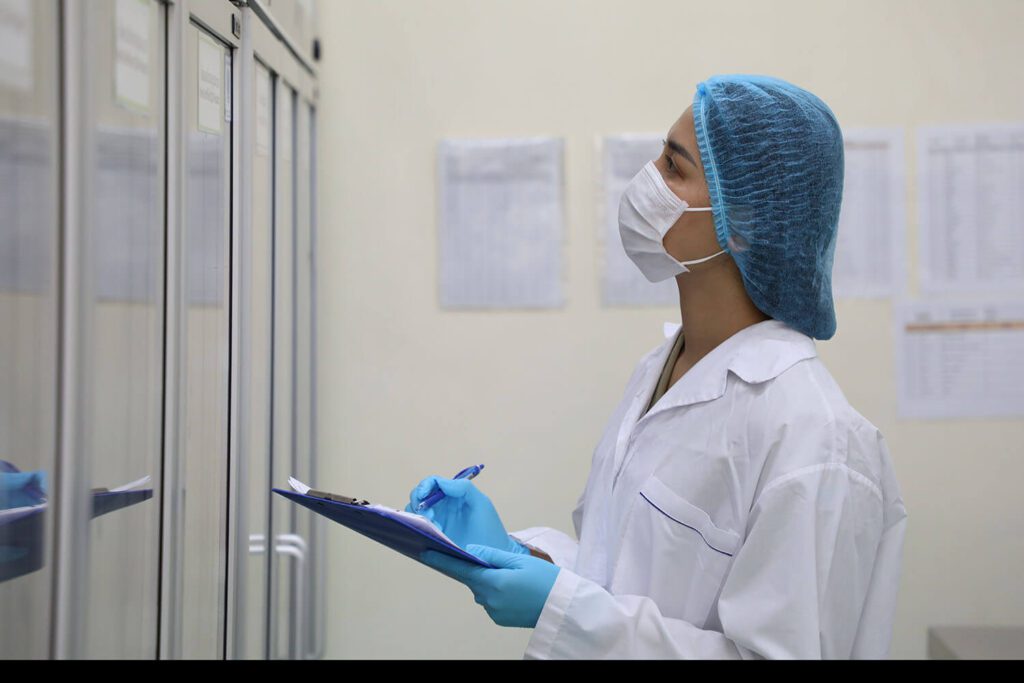
Supporting FCA to Carry Out Official Control Activities

June 2025 – Cambodian Fisheries Competent Authorities are carrying out inspection activities at the fishery processing establishment. Key potential establishments applied for listing targeting the EU market are subjected to stringent inspection and control based on the Technical Requirements for Official Control and Inspection of the Quality and Safety of Fish and Fishery Products in Cambodia.


As of now, three establishments targeted for the EU market were inspected, and relevant corrective action requests were communicated for adjustment and improvement as necessary. Those three establishments were Leang Leng Fermenting Site, Leang Leang Processing Site, and Confirel Prahok Manufacturing Site.

CPC's National Roundtable Consultation

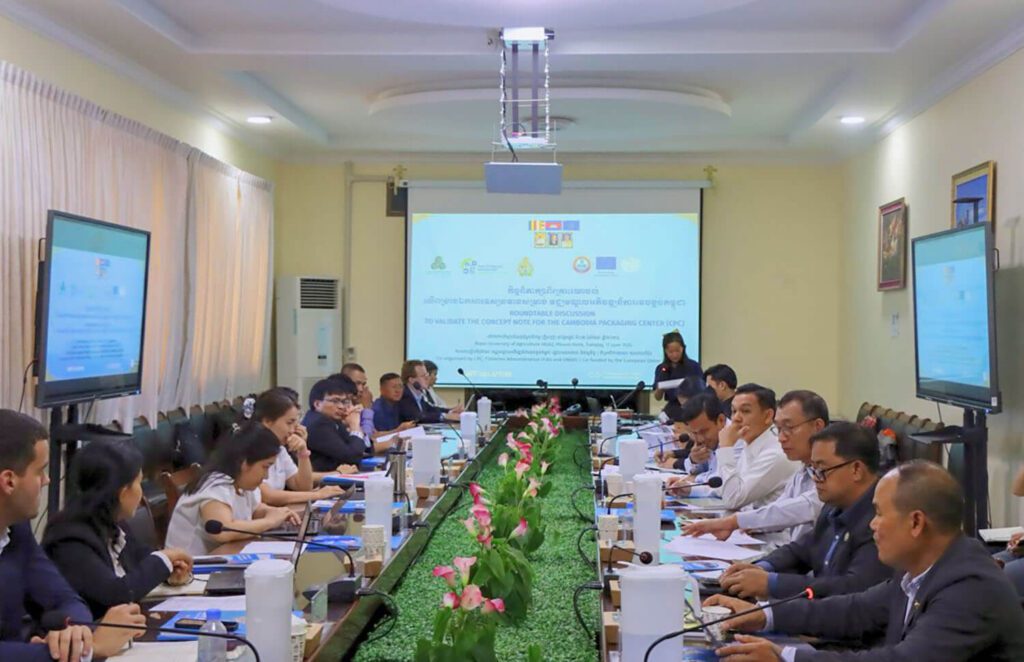
17 June 2025 – The Cambodia Packaging Center (CPC), under the framework of the Food Technology, Research and Innovation Platform (FTRIP), successfully organized a national Roundtable Discussion at the Royal University of Agriculture (RUA) with a total of 31 participants (9 females). The event aimed to validate the CPC Concept Note and development roadmap, gather feedback from key national stakeholders, and reaffirm institutional support for CPC’s phased implementation as a Center of Excellence on Packaging in Cambodia. Attended by representatives from government institutions, HEIs, industry associations, and development partners, the discussion confirmed consensus on CPC’s strategic direction and the urgent need for coordinated packaging solutions to support SMEs, reduce food loss, and meet export standards. Participants endorsed the three-phase approach of CPC, recognized its growing international presence through WPO membership, and agreed on priority next steps, including technical training and SME outreach.

Capacity Building for Cambodia Packaging Center (CPC) Technical Team

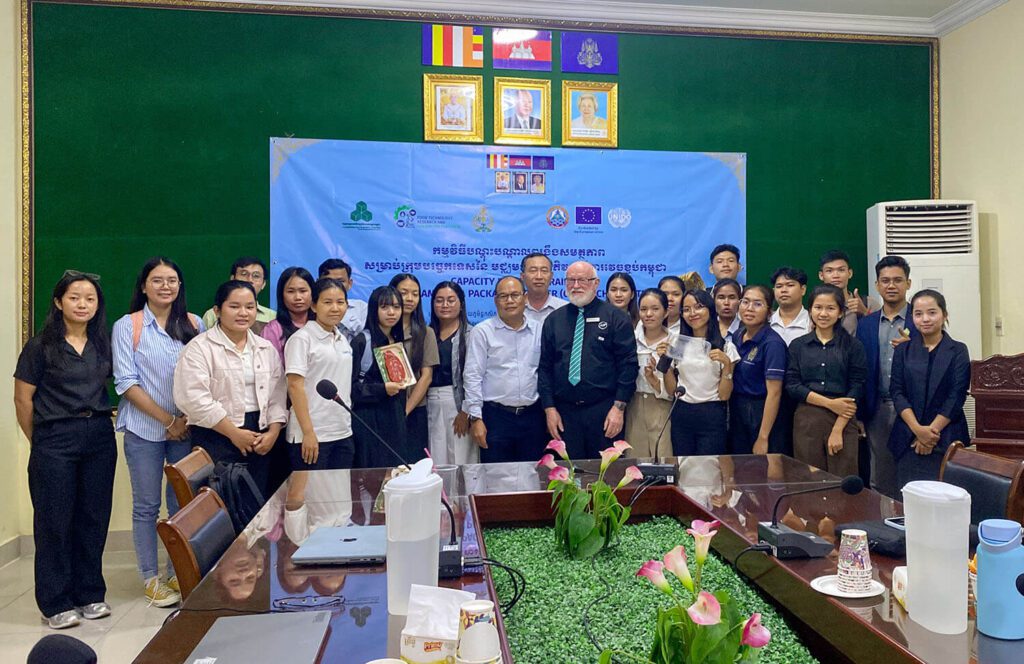
23-25 June 2025 – With support from the project, CPC successfully completed a gap analysis followed by the organization and delivery of a three-day Capacity Building Training Program for the Cambodia Packaging Center (CPC) technical team on 23–25 June 2025, with a total of 30 participants (20 females). The training held at the Royal University of Agriculture (RUA) aimed to enhance the team’s knowledge and skills in providing technical support and packaging-related services to local enterprises. The program covered a wide range of topics, including the role of packaging in modern society, sustainable packaging guidelines, efficient design principles, corrugated packaging, accessible and neglected packaging formats, plastic applications, and business aspects of packaging.

Post-harvest Fishery Enterprises Featured at the 2nd National MSME Day

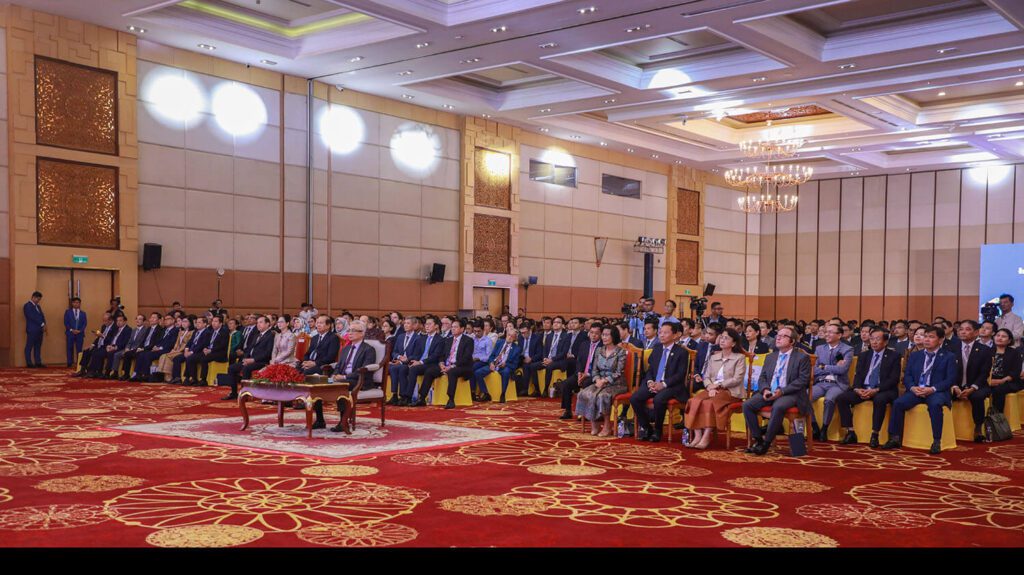
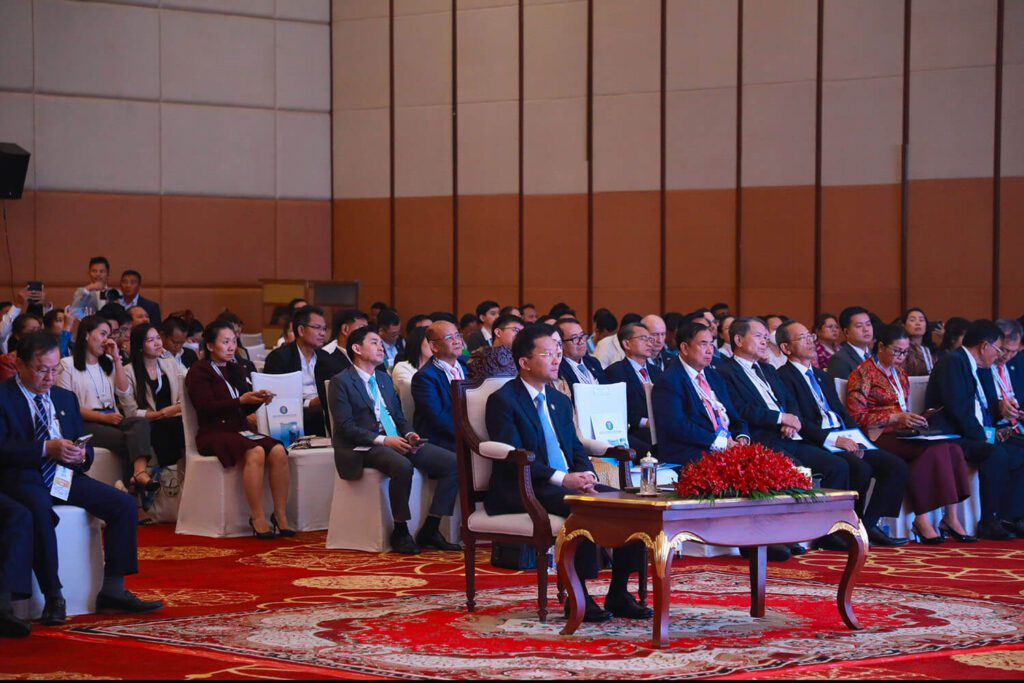
26 June 2025 – Eleven post-harvest fishery enterprises were invited to participate in the 2nd National Micro, Small and Medium Enterprises (MSME) Day, held under the theme “MSMEs Readiness for LDC Graduation” on 26 June 2025 at Sokha Phnom Penh Hotel and Residence. The event was organized by the Ministry of Industry, Science, Technology, and Innovation (MISTI), with support from GIZ, UNIDO, Khmer Enterprise, and the Cambodian Small and Medium Enterprises Bank.

Presided over by Deputy Prime Minister Aun Pornmoniroth, the celebration brought together entrepreneurs, policymakers, business leaders, and development partners. A total of 24 outstanding companies with strong product packaging and branding were selected to exhibit their products. Notably, three fishery enterprises supported by the CAPFISH project—PPF Yummy, UNICA, Thaung Enterprise, and Confirel—were among those showcased.

MSME Day Highlights Sustainable Packaging Through PACK Talk Cambodia

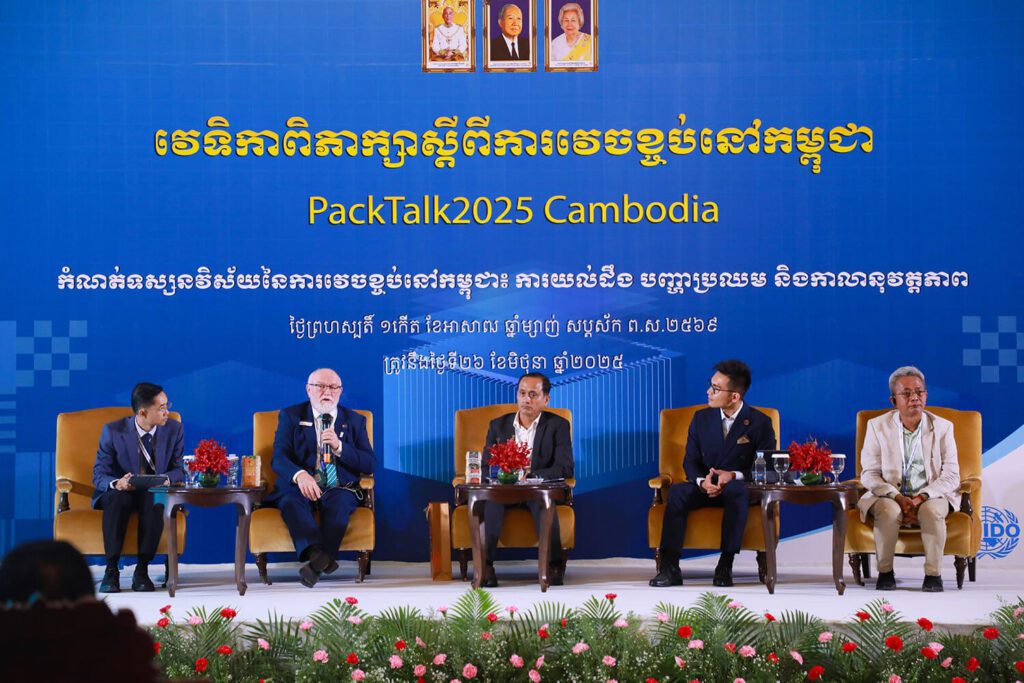
26 June 2025 – As part of the 2nd National MSME Day, the PACK Talk Cambodia forum showcased a dynamic program focusing on the packaging ecosystem and sustainable materials. This event brought together International Packaging Experts and leading companies to exchange practical experiences and insights into global and regional trends on sustainable packaging. Centered on shaping the future of Cambodia’s packaging industry, the forum explored key challenges and opportunities in sustainable design and innovation. Supporting this initiative, the CAPFISH-Capture: Post-harvest Fisheries Development project facilitated the participation of Mr. Ralph Moyle from the Australian Institute of Packaging (AIP). He delivered a presentation on global packaging trends and contributed to a panel discussion, sharing his expertise on “The Importance of Design in Packaging: Functionality, Aesthetics, and Environmental Considerations.” His insights highlighted the vital role of smart and sustainable packaging in boosting product competitiveness and market readiness.

Contribution to Cambodia 1st PackTalk Event

26 June 2025 – The 1st PackTalk in Cambodia was organized by the Ministry of Industry, Science, Technology and Innovation (MISTI) in collaboration with UNIDO on 26th June 2025, featuring an MSME product exhibition, panel discussions, and a special “PackTalk” forum, bringing together UNIDO international packaging experts and outstanding companies to share practical experience and global and regional trends for sustainable packaging. The PACK Talk Cambodia focuses on shaping the future of Cambodia’s packaging: insight, challenge, and opportunity. The event was presided over by H.E. Hem Vanndy, Minister of MISTI.

Business Matching Event Promotes Cambodian Products in Siem Reap

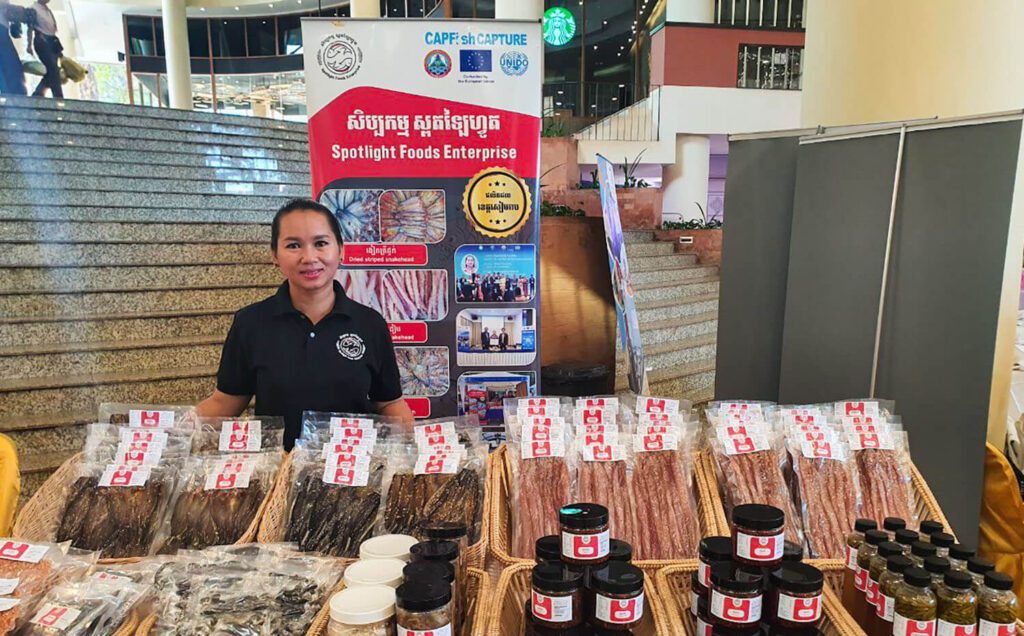
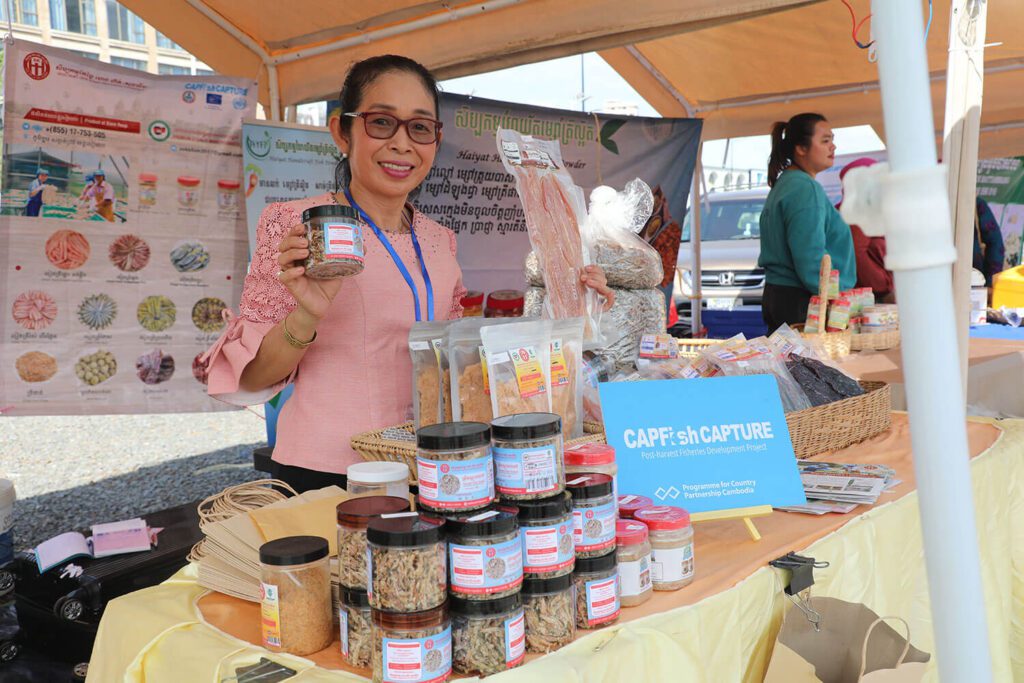
4-6 July 2025 – A three-day Business Matching Event was held at Heritage Walk Supermarket in Siem Reap to showcase over 300 locally made Cambodian products from across the country. Among them, more than 30 varieties of fishery products were exhibited to promote safe fishery products and raise awareness on CQS among local consumers. The event also served as a platform to strengthen business networks and support local producers. Over 200 Siem Reap residents and tourists attended the event, enjoying the authentic flavors of Cambodian cuisine and exploring a diverse selection of artisan handicrafts.

Strategic Integration with OVOP Ensures Sustained Market Exposure and Access

July 2025 – A total of 48 fishery enterprises supported by the CAPFISH-Capture: Post-harvest Fisheries Development project have been successfully integrated and registered under Cambodia’s National One Village One Product (OVOP) Movement.

Launched in 2006 and funded by the Ministry of Economy and Finance (MEF), the OVOP platform is a government-led initiative aimed at enhancing product quality, marketability, and access for Cambodian MSMEs, agricultural cooperatives, and artisans. The initiative contributes to improved livelihoods, poverty reduction, and long-term, sustainable economic growth.

This strategic collaboration ensures that CAPFISH-Capture-supported fishery enterprises gain continued market visibility and expanded domestic market access beyond the project’s duration. Moreover, inclusion under the OVOP mechanism reinforces consumer trust by signalling that these products are Cambodian-made and meet recognized standards of quality and safety. These enterprises will also have opportunities to showcase their products at high-level government events and official exhibitions, including business matchmaking forums, helping to strengthen their branding, visibility, and sales performance.

DID YOU KNOW?

[1]-Official-control
What is the Official Control?
Official Control – means any form of control that the Fisheries Competent Authority (FCA) for food safety of fishery products performs for the verification of compliance with food safety standards and regulations (ref. Cambodia Fisheries Technical Requirements 2024).
[2]-Inspection
What is an Inspection?
Inspection – is the examination of food or systems for control of food, raw materials, processing, and distribution, including in-process and finished product testing, in order to verify that they conform to requirements (ref. Cambodia Fisheries Technical Requirements 2024).
[3]-GI-Logo
What is a Geographical Indication (GI)?
Geographical Indication (GI) is a form of intellectual property protection that recognizes a product's unique qualities, reputation, or characteristics derived from its geographical origin. It helps consumers identify and differentiate products and maintain certain standards and traditional production methods. GI can cover a wide range of products, including agricultural products, food and beverages, handicrafts, and industrial goods.
[4]-ESIA
What is an Environmental and Social Impact Assessment (ESIA)?
An Environmental and Social Impact Assessment (ESIA) is a process used to predict, evaluate, and mitigate the potential environmental and social consequences of a proposed project or development. It aims to minimize negative impacts and maximize positive ones, ensuring a more sustainable and equitable outcome.
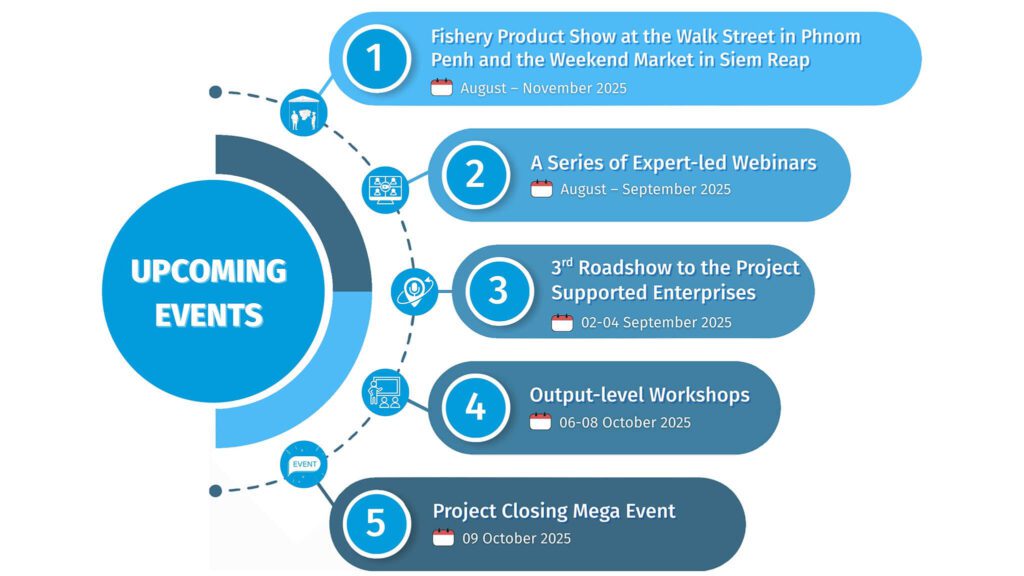
UP-COMING EVENTS

The National University of Battambang (NUBB) has now taken a new leadership role for the Food Technology, Research and Innovation Platform (FTRIP), an innovative multi-stakeholder platform that has driven significant research and development (R&D) and innovation in Cambodia’s post-harvest fisheries and beyond. This change in leadership marks a new chapter, strengthening FTRIP’s potential to contribute to Cambodia’s sustainable food industry.

“Established as part of the EU-funded CAPFISH-Capture: Post-harvest Fisheries project, which is jointly implemented by the Fisheries Administration of the Ministry of Agriculture, Forestry and Fisheries (MAFF) and UNIDO, FTRIP has achieved important milestones, supporting fish processing enterprises in tackling food quality, safety, and production-related issues. We thank the Institute of Technology of Cambodia (ITC) for its exceptional leadership and look forward to continued success under NUBB’s hosting,” stated Dr. Seetharama Shetty Thombathu, UNIDO’s Chief Technical Advisor.

FTRIP has completed 23 applied research projects worth over USD 350,000, involving five HEIs, 68 faculty members, and 86 students. In addition, seven projects received an additional USD 150,000 for commercialization. It developed training modules on quality, trade, and HACCP, which are now adopted by universities; endorsed the Cambodia Enterprise Innovation Index (CEII); registered Siem Reap Prahok for Geographical Indication and supported four universities in establishing intellectual property frameworks. Additionally, the Cambodia Packaging Center (CPC), launched in December 2024 and now a full member of the World Packaging Organization (WPO), connects enterprises to regional and global technical support.

During its recent Steering Committee meeting on 17th July 2025, NUBB was handed the responsibility as the new host, signaling renewed commitment to research-driven innovation and public-private collaboration. H.E. Sok Khorn, Rector of NUBB, pledged his dedication to the platform’s success, emphasizing new initiatives to benefit the food sector, researchers, students, and funding opportunities. Established in 2007, NUBB has gained growing recognition both nationally and internationally for its academic excellence, innovative research, and significant contributions to socio-economic development, especially in northwestern Cambodia. The university is well-positioned to elevate FTRIP’s ongoing efforts to strengthen applied research within Cambodia’s Higher Education Institutes, initially focusing on fisheries, with plans to expand into broader food production for lasting impact.

Highlighting FTRIP’s vital role in fostering innovation, H.E. Dr. Hul Seingheng, Undersecretary of State of the Ministry of Industry, Science, Technology and Innovation (MISTI), emphasized: “To ensure sustainability, FTRIP members will continue supporting the platform’s financial independence and collaboration, which are crucial for addressing agro-food sector challenges, ensuring food safety compliance, adding value, and enhancing competitiveness in both local and export markets, especially in the EU.”

Similarly, Dr. Khov Kuong, Deputy Director General of the Fisheries Administration, stated: “FTRIP plays a key role in policy development and food industry collaboration, particularly in post-harvest fisheries. I am confident that, under NUBB’s leadership, the platform will continue delivering new technologies and adding value to Cambodia’s fishery products and other agrifood products.”

The Cambodia Packaging Center (CPC) was pleased to announce its recent acceptance as a voting member of the World Packaging Organization (WPO). This development represents an important step in Cambodia’s ongoing efforts to strengthen food safety standards and enhance the competitiveness and sustainability of the local food industry.

Launched in 2024 as part of an initiative by the Food Technology, Research, and Innovation Platform (FTRIP), established under the EU-funded CAPFISH-Capture: Post-harvest Fisheries Development project, CPC aims to contribute to advances in packaging research and development. Its focus is on delivering tailored solutions for local needs and providing training to equip food professionals with the skills necessary for effective, sustainable packaging practices.

In a marketplace that is increasingly connected globally, innovative packaging can play an essential role in ensuring food safety, preventing contamination, and extending shelf life, particularly for export products. Meeting international standards through improved packaging can help Cambodian products access new markets and enhance their competitiveness. Moreover, better packaging solutions can also help reduce food loss and waste along the supply chain, supporting efforts toward food security and sustainability.

Membership in the WPO provides CPC with access to technical expertise, new packaging technologies, and good practices from around the world. These resources can support Cambodia’s ongoing efforts to meet global food safety requirements, strengthen the capacity of local SMEs, and encourage the adoption of more sustainable, eco-friendly packaging practices that align with broader development objectives.

“This milestone marks an important step for Cambodia’s packaging sector,” said Dr. Buntong Borarin, CPC Senior Coordinator. “It offers opportunities for collaboration, knowledge sharing, and technological growth, which can help improve our local industry’s standards and export potential, while benefiting consumers and producers alike.”

Cambodia’s role in promoting sustainable food systems and packaging innovations is gaining recognition internationally. This development can help build confidence in Cambodian products and expand their export potential, contributing to job creation and economic resilience across the country.

Through CPC’s WPO membership, we aim to share expertise, adopt best practices, and contribute to regional and global development. This effort can help build long-term resilience and promote sustainability within Cambodia’s food and packaging sectors,” said Dr. Shetty Seetharama Thombathu, UNIDO Chief Technical Advisor for the CAPFISH-Capture project, which is implemented by UNIDO in collaboration with the Fisheries Administration (FiA).

This progress reflects CPC’s ongoing commitment to supporting safe, innovative, and sustainable packaging solutions that can benefit Cambodia’s economy, protect consumer health, and support continued development in the sector.

Published by the UN in Cambodia: https://cambodia.un.org/en/295771-cpc-takes-step-forward-packaging-excellence-wpos-membership

In celebration of World Intellectual Property Day 2025, Cambodia launched Siem Reap Prahok as a new Geographical Indication (GI) product. This marks a significant step in preserving traditional practices and empowering local communities, thereby bolstering the country’s economic growth. This achievement results from dedicated collaboration among key national institutions through the EU-funded CAPFISH-Capture: Post-harvest Fisheries Development project, implemented by the United Nations Industrial Development Organization (UNIDO) in collaboration with the Fisheries Administration (FiA) and the Ministry of Commerce.

The event was presided over by H.E. Cham Nimul, Minister of Commerce and Chairperson of the National Committee for Intellectual Property (NCIP), alongside H.E. Hem Vanndy, Minister of Industry, Science, Technology and Innovation; H.E. Dith Tina, Minister of Agriculture, Forestry and Fisheries; and H.E. Igor Driesmans, the EU Ambassador to Cambodia. Distinguished representatives from international development partners, the private sector, academia, civil society, and university students also joined the event. A special highlight was the message from Samdech Moha Borvor Thipadei Hun Manet, Prime Minister of Cambodia, celebrating this significant occasion.

H.E. Cham Nimul underscored the Ministry’s pivotal role in advancing Cambodia’s Geographical Indication (GI) system as a tool for sustainable trade and rural development. She remarked, “The official recognition of Siem Reap Prahok as a GI product reflects our continued efforts to protect and promote Cambodia’s unique cultural assets through a strong intellectual property framework. This milestone not only safeguards traditional knowledge but also enhances the marketability and competitiveness of local products at both national and international levels. The Ministry of Commerce remains committed to strengthening the GI system as a strategic instrument for inclusive economic growth and value-added trade.”

The EU emphasizes the importance of GIs for rural development and economic empowerment. H.E. Igor Driesmans stated, “GIs are powerful tools for empowering smallholder producers, preserving traditions, and promoting responsible resource management, thus contributing to sustainable development.” He added, “GIs play a vital role in Europe, with over 3,500 registered, and the EU has supported the development of Cambodia’s GI system for over a decade by providing capacity building and technical assistance. The EU’s efforts focus on sustainable fisheries value chains and quality standards, fostering innovation to enhance the economic and cultural value of local products.”

Siem Reap Prahok joins other iconic Cambodian products like Kampot pepper, Kampong Speu palm sugar, and Mondulkiri wild honey, underscoring the country’s commitment to enhancing product identity and supporting rural livelihoods. H.E. Dith Tina noted that “Siem Reap Prahok symbolizes the linkage between our traditions and sustainable development, ensuring quality for consumers and bolstering the competitiveness of Cambodia’s agricultural sector.”

As a newly recognized GI product, Siem Reap Prahok not only fosters economic growth but also protects traditional practices and the environment. H.E. Dith Tina emphasized the agricultural sector is crucial to Cambodia, stating, “The Ministry is committed to strengthening this sector by improving value chains, promoting sustainable practices and resilience, in alignment with the Royal Government’s Pentagon Strategy Phase1 and the National Agricultural Development Policy 2022-2030.” This commitment enhances market opportunities for producers while ensuring consumers receive quality and authentic products.

Siem Reap Prahok is a vibrant celebration of Cambodia’s culinary traditions, deeply rooted in the history of the Angkor Empire, where local ingredients and flavors were cherished. With its GI status, Siem Reap Prahok will strengthen the livelihoods of local producers while enhancing Cambodia’s visibility in the global market, allowing the world to appreciate its rich culinary heritage.

Published by the UN in Cambodia: https://cambodia.un.org/en/293749-siem-reap-prahok-earns-geographical-indication-status-tradition-driven-economic-empowerment

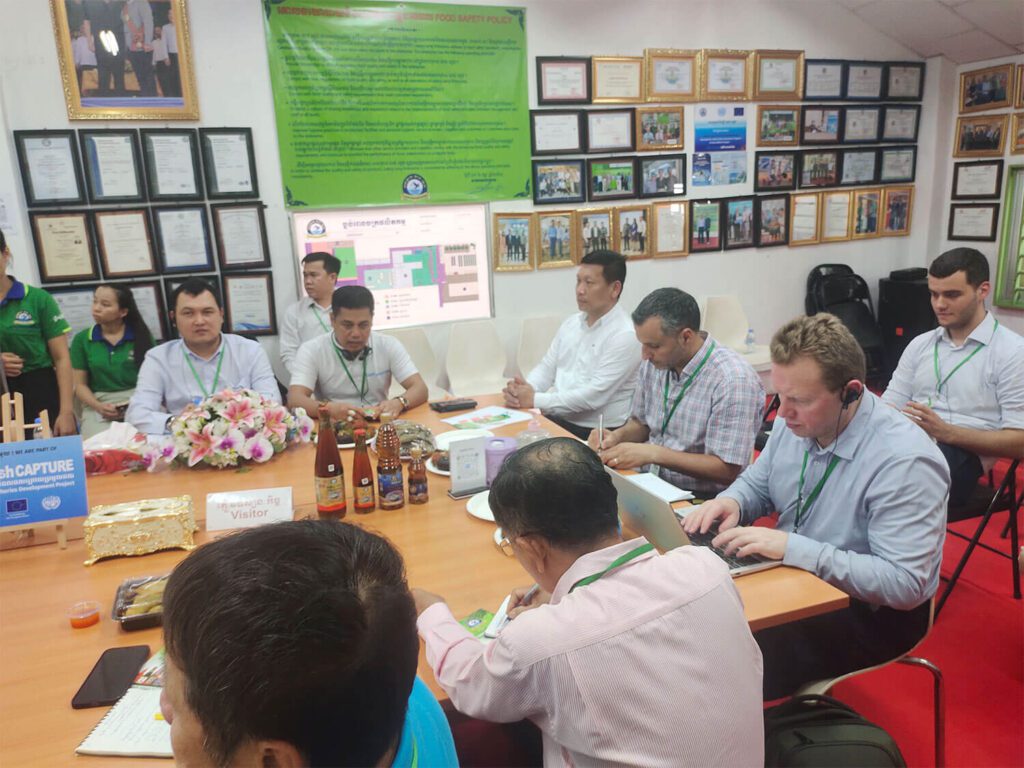
In June 2025, a team of the CAPFish Programme evaluators from the EU conducted a site visit to two post-harvest fishery enterprises supported under the CAPFISH-Capture: Post-harvest Fisheries Development project’s Value Chain Investment Support (VCIS) initiative. The visit aimed to understand the achievements, challenges, and future plans of these MSMEs under the CAPFish assistance. During the visit, the evaluators received detailed briefings on VCIS activities, highlighting key outcomes and ongoing and future efforts by both enterprises. The visit was considered highly successful. The evaluators commended the comprehensive support provided by the CAPFISH-Capture: Post-harvest Fisheries Development project and noted the remarkable positive impact these enterprises are making in strengthening the fish value chain and creating jobs and improving competitiveness.

A mock audit was carried out from 10 to 20 March 2025 by the EU food audit consultant, as part of the project support to the Fisheries Competent Authority (FCA) to get ready for DG-SANTE audit. Findings from the audit will help the FCA implement necessary improvements and ensure readiness for future assessments.

The purpose of the mock audit was to evaluate whether the legal framework and official control systems are in place to control the production, processing, and distribution of fish and fishery products. The assessment includes the legal framework, structure, and functions of the FCA; official control activities; official laboratories; food safety standards (CQS and HACCP); and traceability compliance by FBOs. The findings from this audit will offer critical perspectives on potential areas for improvement and implementation of an action plan to get ready for the DG-SANTE audit. By addressing nonconformities and any identified gaps, the FCA can strengthen its overall effectiveness and maintain high standards in food safety and quality assurance.

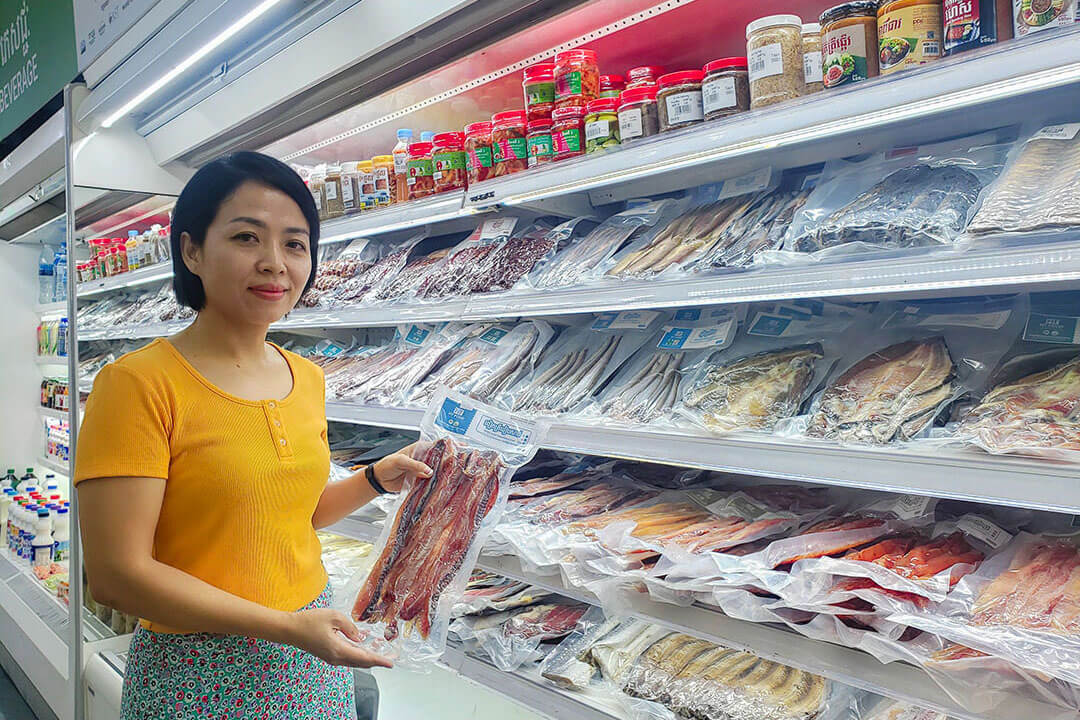
The value addition assessment of the dried fish value chain revealed that most value is created during processing and retail. The cost of producing one kilogram of dried fish in Cambodia starts at $1.85 at the primary production stage . Then, after post-production operations such as landing, handling, grading, and transporting, about $0.35 is added, making the total $2.20. If the fish is dried and sold in wet markets, it adds another $1.30. If it’s vacuum-packed instead, it adds $2.10. The highest value is reached when the fish is both processed and sold through supermarkets, adding $2.80.

Processing, especially with the introduction of the Cambodia Quality Seal (CQS), significantly boosts product quality and safety. Producers benefit from higher margins by targeting urban consumers online with premium offerings like vacuum-packed marinated dried fish. Retailers, notably supermarkets, apply the highest mark-ups due to added convenience and customer experience. In contrast, value addition at the production stage—particularly in wild-caught fisheries—is minimal, hindered by seasonal oversupply, lack of cold chain, and poor logistics. The assessment underscores the importance of improving infrastructure and support at the production level to create a more balanced and efficient fishery value chain.

From December 2024 to June 2025, UNIDO has completed the first phase of technical support to NALS, within the framework of CAPFish-Capture. This initial phase included a comprehensive capacity needs assessment, market analysis for testing demand, a feasibility study, an Environmental and Social Impact Assessment (ESIA), and a detailed roadmap for the operation of a robust and sustainable MAFF central laboratory.

MAFF is establishing NALS based in Setbou district, Kandal Province, to consolidate the operations of four geographically dispersed lab facilities under MAFF. The NALS will serve as a single accredited national laboratory to provide integrated and comprehensive microbiological and chemical testing for plant and animal health and food safety under MAFF’s mandate, operating within the framework of the Cambodian Agricultural Sciences Academy (CASA). As a semi-autonomous institution, NALS aims to enhance research capabilities and foster collaboration with national and international partners. This approach strengthens the quality of testing services and supports the development of sustainable agricultural practices in Cambodia.

The assessment conducted under NALS phase I is the following:

  • Capacity Need assessment (CAN): CNA is a key activity of Phase I aimed at assessing the current capacity and needs of four existing MAFF laboratories. It also seeks to identify gaps and provide recommendations on the optimal structure and governance necessary for establishing functional and sustainable NALS laboratories that can address both current and future demands. The assessment’s scope encompasses institutional arrangements, policy and framework evaluations, organizational structure, the mandates of the directorates, existing and anticipated laboratory infrastructure and resources (including financial and human resources), training and coaching requirements, and the prioritization of needs.
  • Feasibility Study: The goal of the assessment was to determine if the project is technically feasible, economically viable, and operationally sound. The financial projections and analysis were done based on an assessment of four existing MAFF laboratories, a market demand analysis, considerations for technical and architectural design, and a Social and Environmental Impact Assessment (ESIA). The findings from this comprehensive assessment will guide MAFF decision-makers in understanding the potential benefits and challenges associated with the project. Ultimately, the goal is to ensure that it aligns with Pentagon Strategy Phase I and MAFF objectives and clients’ needs while promoting public health and agri-food trade diversification.
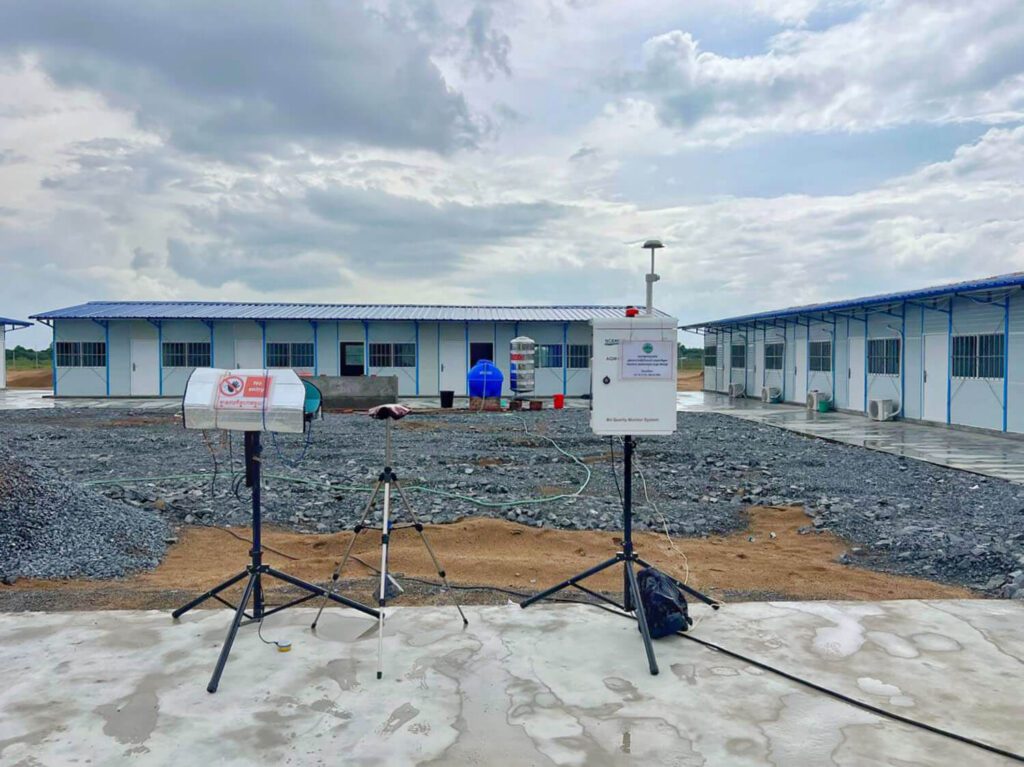
  • Environmental and Social Impact Assessment (ESIA): ESIA was conducted to evaluate the potential positive and negative impacts that may arise throughout the project’s life cycle. This involves analyzing the interactions between environmental and social factors in relation to the various project activities and stages of development. The assessment aims to propose mitigating measures, identify environmental and social risks and impacts, ensuring these are integrated into the detailed design, as well as during the implementation of the construction and operation phases of the project. The results of the ESIA served as the basis for crafting the Environmental and Social Management Plan (ESMP) document to ensure compliance with Cambodia’s and funding institutions’ policies on environmental and social sustainability, principles of inclusivity and transparency, and general health and safety guidelines given the infrastructure components involved in the project.
  • NALS Roadmap Development: A roadmap for the operationalization and accreditation of the NALS is being finalized. This roadmap includes overall objectives, operational mechanisms, challenges/ assumptions, management aspects, financial and human resource planning, etc, including overall strategic input from the project management perspective.